
The Heart of Clunes since 1911
Hire the Hall
The Clunes Coronation Hall and its grounds are available for community events, private functions, workshops, and performances. All bookings are managed by our volunteer committee via Vennu, an easy-to-use online booking platform that allows you to check availability, view hire rates, and secure your booking in just a few clicks.
Spring Car Boot and Market Day

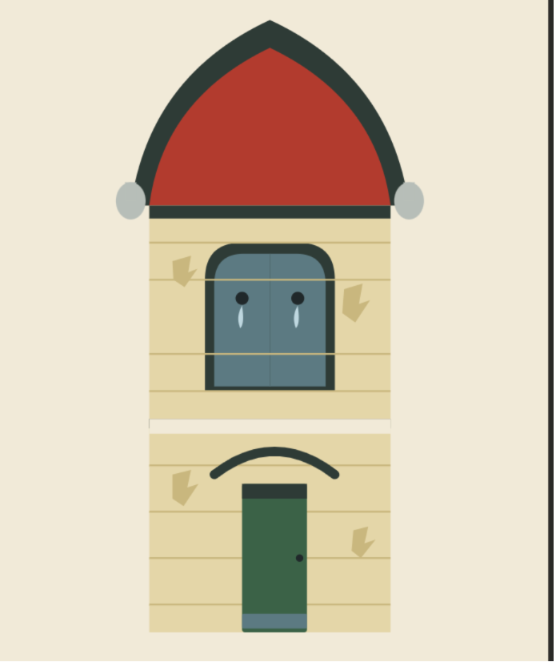
The Hall's seen a lot over the years.
One thing she hasn't seen in a while? Fresh paint.
We're applying for funding to give her a face lift — but we need you to join so we can say that our community still shows up for this place. That's what your membership does: every sign-up is proof this community wants the Hall around for another 130 years.
Sign up as a member today. It's only $2, every sign-up counts.
100 members in 100 Days
The Hall's seen a lot over the years.
One thing she hasn't seen in a while? Fresh paint.
We're applying for funding to give her a face lift — but we need you to join so we can say that our community still shows up for this place. That's what your membership does: every sign-up is proof this community wants the Hall around for another 130 years.
Sign up as a member today. It's only $2, every sign-up counts.
Weekly Classes
The Clunes Coronation Hall is always buzzing with activity! From regular yoga, tai chi, and exercise classes to music and singing there is something at the hall here for every member of the community.
Dancing in the Dark
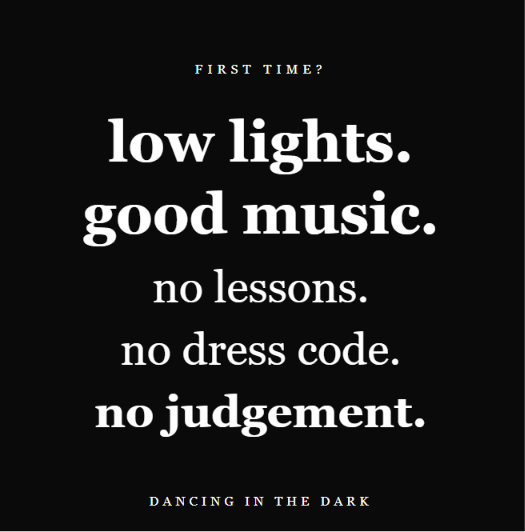
Dancing in the Dark is a fortnightly community dance night held at Clunes Coronation Hall. Low lights, good music, no dress code, no judgement — just a room full of people who felt like dancing on a Thursday night.
Doors open at 6 pm. Entry is $5–$10 at the door. Ages 16 and up. Running every second Thursday from May through to late September 2026.
You bring the moves. We'll take your song requests.
A Brief History of Clunes Coronation Hall
Before European settlement, the Widjabal people of the Bundjalung nation had occupied this country for centuries. The land was clothed in subtropical rainforest — part of the vast expanse known as the Big Scrub, one of the largest lowland rainforests in Australia.
The Robertson Land Act of 1861 opened Crown land for selection, and the first settler took up land in Clunes in 1880. The surrounding Big Scrub was cleared and the community turned to dairying. Within a decade, co-operative butter factories had been established to process the cream — and it was at a meeting in the Clunes Hall in 1892 that NORCO was initiated.
By the late 1880s the community had built its first timber hall. That building was replaced in 1911, opened on Coronation Day, 22 June, by the President of Byron Shire Council. The hall's galvanised iron roof rises to a steep pitch, with rotating ventilation vents along the ridge — the original solution to the Northern Rivers heat. Early Anglican and Presbyterian services were both held here.
Dairying remained the mainstay of the district until the 1960s, giving way to cattle grazing and then macadamia farming. The hall has stood through all of it — more than a century of the district's life.